- Backup Photos To Nas
- Backup Photos Library On External Hard Drive
- Backup Photos Library To Nas Storage
Your device memory space is meant to get exhausted, which was why there is a capacity to indicate the total amount of information that can be stored. An iPhone memory space gets filled up when the information stored on it exceeds its internal memory. Vital information such as photos, videos, audios, and many others is stored on a device for future purposes.
- Tap on More and tap on Photo Backup to start the backup. The images from the mobile phone as seen from the Moments app running on the NAS. Photo: Wilson Wong. To back up from your PC, 1. Complete the steps as above for the Moments app on the NAS. Download, install and run Synology Drive Client on the PC. Choose Backup Task.
- I would like to back up the entire library to a physical storage device. I have a Synology NAS, but apparently Apple doesn't allow iCloud Photo Library to be stored on a file system that is not HFS+. I also don't want to use an external hard drive since it is not replicated and more prone to big rot or failure (my NAS uses Btrfs).
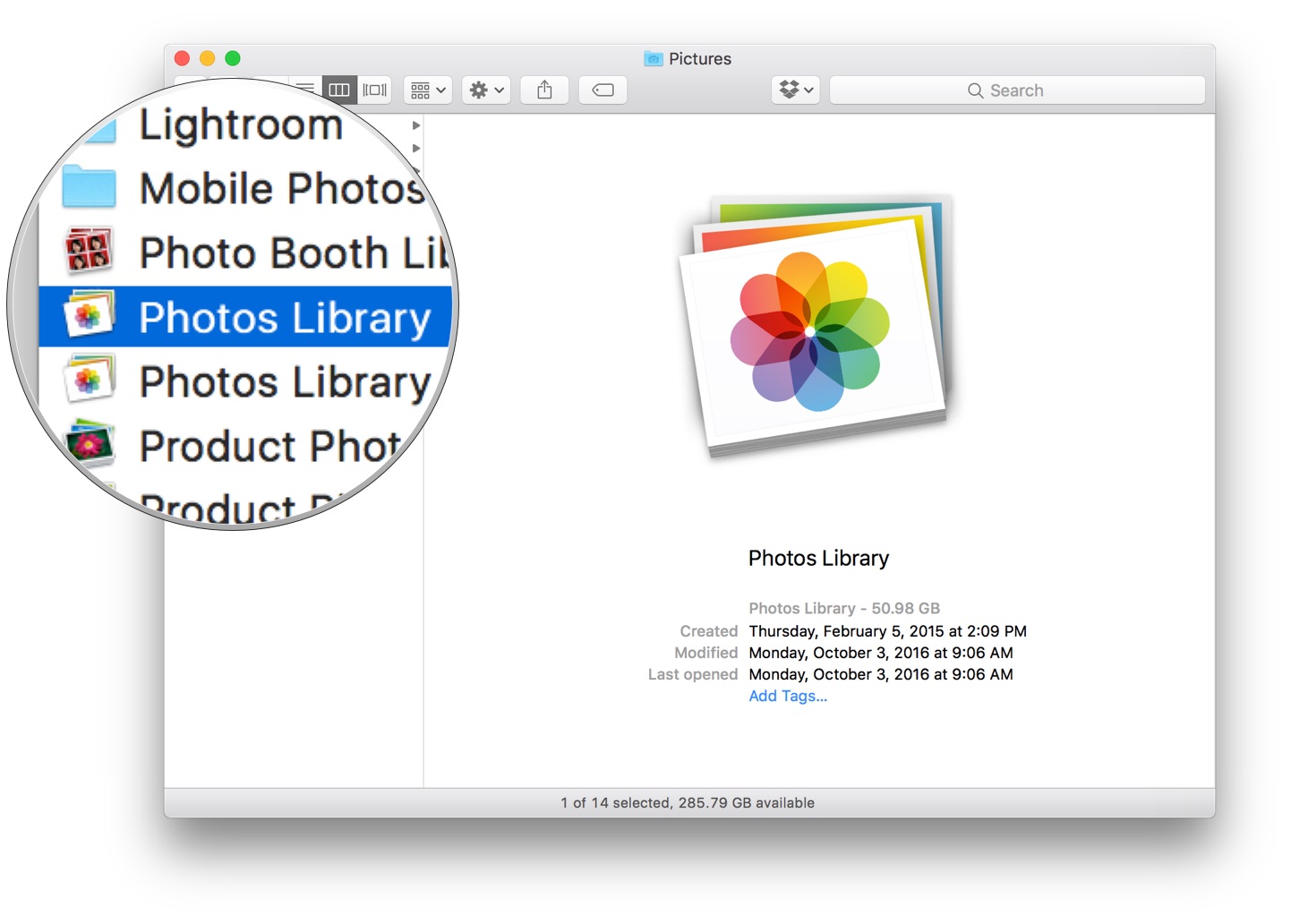
- The solution is to create a sparse image which is a way of partitioning the disk and formatting it, and then placing your photo library on to this. This enables the Mac to treat it as a local drive as opposed to a NAS, and will provide reasonable access times (at least it does with my library of some 75k images and 420 videos).
This information can be stored externally on Google drive, iCloud, or hard drive. But in this article, I will be introducing you to how you can transfer just one of this information, your photos, from your iPhone to an external hard drive.
Part 1: Transfer Photos from iPhone to External Hard Drive on Mac
Take the following steps to transfer photos from your iPhone to an external hard drive on Mac;
Backup Photos To Nas
This means, when you take new photos, those photos will be transferred automatically to the NAS. There is no need to copy the photos manually. Open the Synology Photos app on your phone and tap on More. Click on Photo Backup Not Enabled. Tap on Enable Photo Backup. Allow Moments app to access the storage. Click on Choose folder. Monitor photo backup progress and enable/disable photo backup. Switch to photos from different sources (this feature is only available if admin has enabled the Shared Photo Library feature on the web version of Moments). Monitor the progress of file uploads and downloads.
Step 1: Connect your external hard drive to your Mac
Firstly, you need to connect the hard drive to your Mac and ensure it shows up in the finder’s sidebar.
To confirm that the hard drive is working, try to copy a file or anything from your Mac to it, and if does copies, then the hard drive is formatted to use with a Mac. If the hard drive doesn’t allow you to copy anything on it, you need to reformat it to FAT format.
Step 2: Connect your iOS Device to your Mac
Once your external storage is fit for the transfer, with the aid of a lightning cable, connect your iPhone to your Mac. Ensure this lightning cable is held firmly to both the Mac and iPhone, so there isn’t any error while transferring your photos.

Step 3: Launch Image Capture
When an iOS device is connected to a Mac, the image capture app launches itself automatically. However, if it doesn’t, you can do that manually by searching for it among the applications on your Mac using the Spotlight search (Cmd + Space shortcut) and launch.
After launching this application, you will find all the photos you shot on your iPhone right there. You can either select a few of the images you want to transfer or use the keyboard shortcut Cmd + A to select all the images.
Step 4: Choose a Destination and Import
Selecting the destination where you want to import your images is very important. By default, images are imported to the Picture folder, but you can change this by selecting ‘others’ clicking the drop-down button and then selecting a folder using the external hard drive as a source.
Once you’ve selected a folder on the external hard drive, click ‘Import’ and wait till the transfer is completed. While the completion time varies, it depends on the number of photos you are transferring.
Part 2: Transfer Photos to External Hard Drive on Windows
One unique thing about our device rich world is the compatibility of an iOS device with a non iOS gadget. For this reason, you can transfer your photos to an external hard drive on windows without stress. To ensure your windows is compatible with your iOS device, you need to download and install iTunes on your PC.
Take the following steps to accomplish this task;
- Launch the Microsoft Store from your device Start menu.
- Search for iTunes.
- Click on ‘Get iTunes’ to download.
- Once you’ve downloaded iTunes on your windows, launch it and accept iTunes License Software License Agreement.
Backup Photos Library On External Hard Drive
Now that you’ve successfully installed the iTunes application on your PC, the transfer of photos to an external hard drive can be done without hindrance. Listed below are the steps required to successfully transfer photos on using Windows;
- Connect your iPhone to your PC with the aid of a lightning cable
- Launch the Photo app from your PC Start menu
- At the top right corner of your Windows page, you will find the ‘Import’ button. Click on it
- Select the photos you will like to import, and click ‘Continue’.
The transfer process will commence immediately. Wait for some minutes for the process to come to completion. It’s very important for you to note that unpluging your device will terminate the transfer. Hence, it’s important for you to ensure everything is well fixed before you start the transfer.
Part 3: How to Transfer Photos to External Hard Drive without a Computer
Transferring photos to an external hard drive without a computer’s aid can be accomplished by connecting your iPhone directly to a potable external hard drive like SanDisk. Though this process is compatible with devices with iOS 8 and later versions.
Take the following steps to connect your iPhone to a potable external hard drive;
Step 1: With the aid of a lightning cable, connect your iPhone to an external hard drive. To confirm if your device is connected to the hard drive, click on ‘Files app’ button, then ‘Browse’.
Step 2: Locate and open the Photo app, then select the photos you want to transfer. Click the ‘Share’ button to transfer the photos to the Files app.
Step 3: On the Files app, choose the hard drive you want to save the iPhone photos
Conclusion
Now you know how to transfer your images from your iPhone to external hard drives with or without the aid of a PC/Mac. Apply the steps given to back up your images and free your device from hanging or booting slowly.
Backup Photos Library To Nas Storage
New Trendings